


Send Message
Privacy statement: Your privacy is very important to Us. Our company promises not to disclose your personal information to any external company with out your explicit permission.


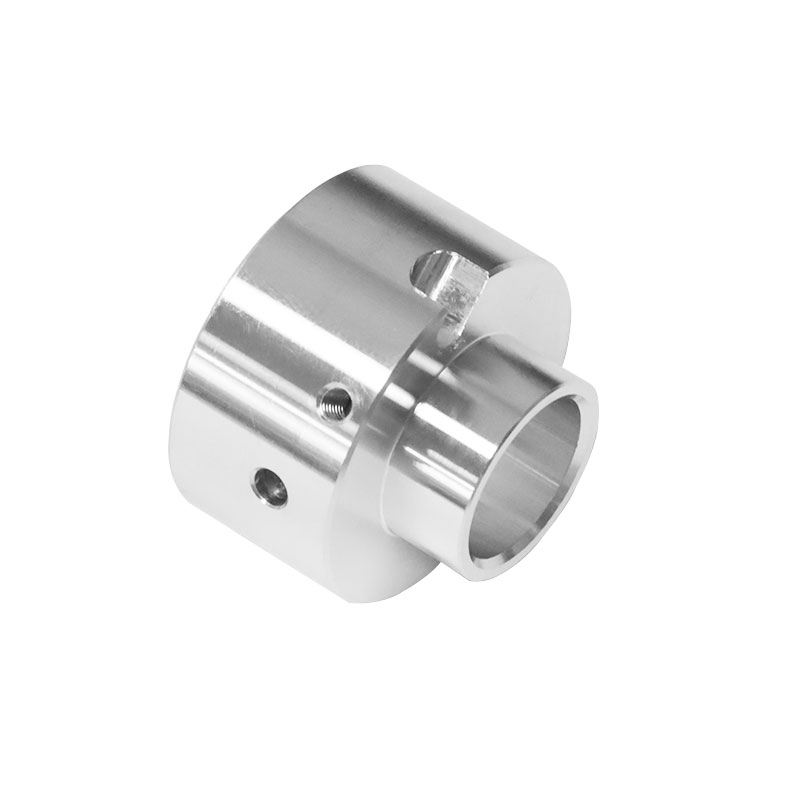
CNC turning is a subtractive manufacturing process where a workpiece is rotated against a stationary cutting tool to create cylindrical parts with high precision. This fundamental machining technique is the backbone of modern industrial production, enabling manufacturers to produce components ranging from simple shafts to complex multi-stage geometries with tolerances as tight as ±0.01mm.
For procurement professionals sourcing cnc turning services, understanding this process is critical. CNC turning offers repeatability that manual lathes cannot match, ensuring every part in a batch of 10 or 100,000 meets identical specifications. Whether you need stainless steel medical instruments, titanium aerospace brackets, or aluminum consumer electronics housings, cnc turning delivers the dimensional accuracy and surface finish required by today's most demanding industries.
Dongguan Shengpeng Precision Technology Co., Ltd. has specialized in precision cnc machining since 2005, operating 14 advanced CNC lathes across a 980-square-meter facility. Our engineering team provides DFM analysis at no cost, helping buyers optimize designs for manufacturability before production begins—reducing your risk of costly rework and delays.
In a competitive global marketplace, selecting the right cnc turning supplier requires evaluating more than just pricing. Buyers must assess technical capability, quality systems, lead times, and communication reliability. Shengpeng Precision differentiates itself through a combination of advanced equipment, experienced engineers, and a commitment to low minimum order quantities without compromising on quality.
Our facility houses 14 CNC lathes, 5-axis machining centers, and coordinate measuring machines (CMM). With a monthly output capacity of 30,000–40,000 pieces and an annual export volume of $5–7 million, we handle everything from prototype runs to full-scale production orders. The 30-lathe total across our operations ensures scalable capacity for growing demand.
Unlike many suppliers requiring thousands-piece minimums, we accept orders starting at just 1 piece. This flexibility allows buyers to validate quality before committing to larger volumes. Our rapid sampling cycle means prototypes can be delivered quickly, accelerating your time-to-market for new product launches.
We hold ISO 9001:2015 certification (Certificate No. HG23Q0416R0S), CE marking, RoHS compliance, and EU inspection reports. These certifications are not merely credentials—they represent documented processes that reduce your supply chain risk and ensure regulatory compliance for products sold in North America, Europe, and beyond.
Our team includes 3 R&D engineers with undergraduate degrees and 4 QA/QC inspectors. With 6 years of export experience serving markets across North America, South America, and Eastern Europe, we understand international quality expectations and communication standards that keep procurement workflows smooth.
Consistent quality is the single most important factor when evaluating a cnc turning supplier. Inconsistent tolerances, poor surface finishes, or material non-conformance can derail entire production lines and damage end-product reputations. Shengpeng Precision has built its reputation on rigorous quality control at every stage of the manufacturing process.
Every batch of raw material—including aluminum, stainless steel, titanium, brass, and engineering plastics—is verified against specification before entering production. We maintain traceability from material certificate to finished part, ensuring you receive exactly what you ordered.
Our 4 dedicated QA/QC inspectors perform dimensional checks at defined intervals during machining. Critical dimensions are measured using calibrated CMM equipment, while surface finish is verified against Ra values specified in your drawings. Digital quality tracking enables full production process traceability.
Every completed order undergoes final inspection before shipment. We provide inspection reports with measurement data, material certificates, and compliance documentation. If any issue arises from our production, we offer remanufacturing at no additional cost—protecting your investment.
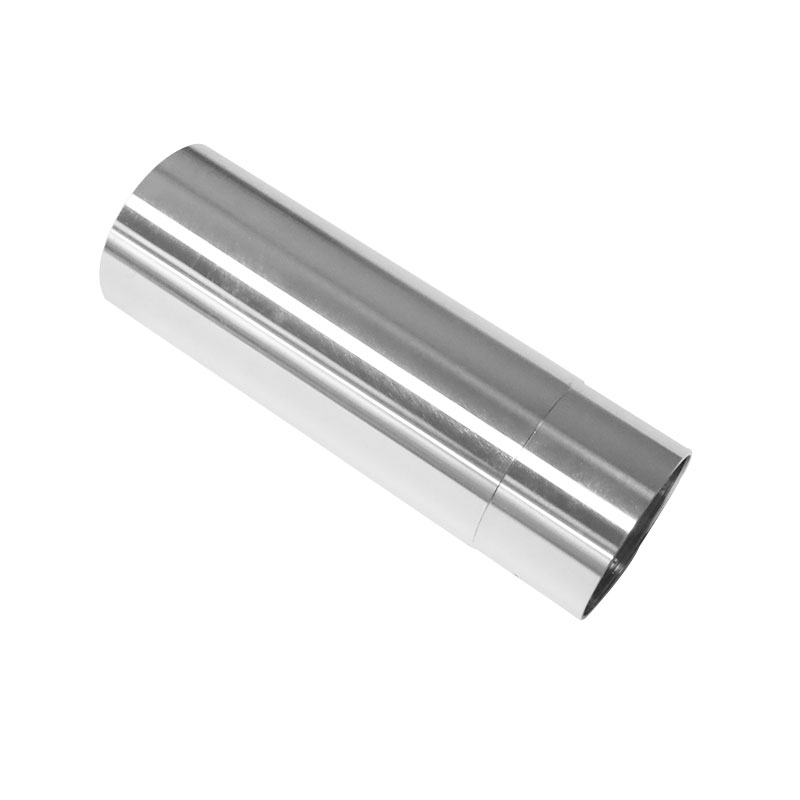
Selecting a cnc turning partner involves evaluating multiple factors beyond unit price. A supplier's equipment capabilities, material range, tolerance levels, and post-processing services directly impact your total landed cost and project success. Use this guide to assess whether a potential supplier meets your specific requirements.
Verify that the supplier operates CNC lathes suitable for your part geometry and material. Multi-axis machines enable complex features in a single setup, reducing handling errors and lead times. Ask about machine age, maintenance schedules, and whether they use live tooling for milling operations.
Not all suppliers can machine every material effectively. For challenging materials like titanium alloys or high-temperature superalloys, ask about tooling strategies, coolant systems, and past project experience. Shengpeng works with aluminum, stainless steel, titanium, brass, and various engineering plastics.
Standard cnc turning typically achieves ±0.02mm to ±0.05mm tolerance. For tighter requirements down to ±0.01mm, confirm the supplier has the equipment and expertise to deliver. Surface finish requirements (Ra values) should also be discussed—mirror polishing to Ra≤0.1μm is available for medical applications.
Many projects require secondary operations such as anodizing, electroplating, painting, or heat treatment. Suppliers offering integrated surface treatment departments simplify your supply chain. Shengpeng provides anodizing, electroplating, and polishing in-house, achieving single-source convenience.
A responsive supplier who proactively identifies design issues saves time and money. Look for partners who offer free DFM (Design for Manufacturability) analysis, respond within 24 hours, and provide clear timelines. English-speaking engineering support is essential for international buyers.
ISO 9001 certification demonstrates a structured quality management system. Industry-specific certifications (CE, RoHS, FDA) may be required depending on your application. Verify that certifications are current and issued by recognized bodies—not self-declared claims.
Before placing an order with any cnc turning supplier, use this checklist to ensure you have addressed all critical procurement considerations. Skipping these steps can result in quality disputes, delivery delays, or parts that fail to meet functional requirements.
Different projects require different supplier strengths. Medical device manufacturers need biocompatible surface treatments and strict traceability. Aerospace companies demand ultra-tight tolerances and material certifications. Consumer product brands prioritize fast turnaround and aesthetic surface finishes. Below are recommendations based on common buyer profiles.
Look for suppliers with mirror-polishing capabilities (Ra≤0.1μm), biocompatible material options, and full traceability systems. Shengpeng's medical field expertise includes biocompatible surface treatment and strict adherence to cleanliness standards required for implantable and surgical components.
Aerospace applications require 5-axis machining for complex geometries and tolerance control down to ±0.01mm. Titanium alloy machining capability is essential. Suppliers with proven track records in aerospace sensor housings and structural components are preferred.
Automotive parts demand high-volume consistency and salt spray resistance for under-the-hood components. Suppliers offering zinc-nickel electroplating and other corrosion-resistant surface treatments alongside CNC machining provide a complete solution for automotive buyers.
Consumer products require excellent surface aesthetics, quick sampling cycles, and flexible MOQs. Aluminum and engineering plastic machining with anodizing or polishing finishes are commonly requested. Low minimum orders allow brands to test market response before scaling production.
Heavy-duty machinery components often require large-turning-diameter capability and robust material selections. Stainless steel and carbon steel turning with heat treatment options serve this sector well. Suppliers with proven durability testing protocols add value.
Early-stage companies need partners who accept 1-piece minimums, provide rapid prototyping, and offer DFM guidance. Suppliers with digital portals for real-time order tracking and DFM analysis streamline the development process for resource-constrained teams.
CNC turning serves a vast array of industries, each with unique performance requirements and regulatory standards. Understanding how your sector utilizes cnc turned parts helps you communicate more effectively with suppliers and specify the right materials, tolerances, and finishes for your application.
Robotic joints, drive shafts, and gear components require precise concentricity and smooth surface finishes to ensure reliable operation. CNC turning produces these rotational components with consistent quality across production batches, reducing maintenance downtime for automation systems.
UAV structural components, sensor housings, and flight control actuators demand lightweight yet strong materials like titanium and aluminum alloys. Tight tolerances (±0.01mm) ensure proper fit and function in high-vibration environments where component failure is not an option.
From engine components and transmission parts to sensor housings and brake system fittings, the automotive industry relies heavily on CNC turning. Corrosion-resistant finishes and high-cycle fatigue performance are critical requirements for safety-critical automotive applications.
Surgical instrument components, implantable device parts, and diagnostic equipment housings require biocompatible materials and exceptional surface quality. Mirror-polished surfaces (Ra≤0.1μm) prevent bacterial accumulation and meet stringent hygiene standards for medical applications.
Pump shafts, valve stems, hydraulic cylinders, and bearing seats are among the many CNC-turned components used in industrial machinery. These parts must withstand high loads, abrasive environments, and continuous operation—requiring durable materials and precise dimensional control.
High-end consumer goods such as camera lenses, watch components, audio equipment housings, and smart device frames utilize CNC turning for both functional and aesthetic purposes. Surface finishing options including anodizing, polishing, and texturing enable distinctive product differentiation.
Below are answers to the most common questions buyers ask when sourcing cnc turning services. These FAQs address practical concerns around minimum orders, lead times, materials, tolerances, and quality assurance that directly impact your procurement decisions.
We accept minimum orders starting at just 1 piece. This low MOQ policy allows buyers to validate quality and functionality before committing to larger production runs. Whether you need a single prototype or a batch of 50,000 units, our production lines are configured to accommodate orders of any size without penalty pricing.
We machine a wide range of materials including aluminum (all series), stainless steel (303, 304, 316, 416, 420, 430), titanium (GR1–GR5), brass, copper, inconel, and engineering plastics such as PEEK, POM, PTFE, and Nylon. Material selection depends on your application requirements for strength, weight, corrosion resistance, and biocompatibility.
Standard CNC turning tolerances range from ±0.02mm to ±0.05mm for most materials and geometries. For high-precision applications, we can achieve tolerances down to ±0.01mm using our 5-axis machining centers and precision grinding operations. Tolerances are influenced by material properties, part geometry, and length-to-diameter ratios.
Prototype samples can be delivered within 3–7 days depending on complexity. Bulk order delivery typically ranges from 7–25 days, depending on order quantity, material availability, and any required post-processing operations. Rush orders are available upon request. Exact delivery timelines are confirmed after DFM review and order confirmation.
Yes, we provide full OEM and ODM services including material substitution, dimensional adjustments, graphic customization, and design optimization. Our 3 R&D engineers work with your team to refine designs for manufacturability, potentially reducing cost and improving performance. Custom solutions are developed based on your specific application requirements.
We hold ISO 9001:2015 (Certificate No. HG23Q0416R0S), CE marking (Certificate No. HX250202010356), RoHS compliance (Certificate No. LCT-241202011620), and EU inspection report (Certificate No. LCT-241202011620). These certifications demonstrate our commitment to quality management systems and regulatory compliance for global markets.
If defects are identified that result from our production process, we offer remanufacturing of the affected parts at no additional cost. Our 4 QA/QC inspectors perform multiple checkpoints during production to minimize the likelihood of issues reaching final inspection. Clear communication channels ensure any concerns are addressed promptly.
Yes, we offer integrated surface treatment services including anodizing, electroplating (zinc-nickel, chrome, etc.), polishing, and painting. Having these processes in-house eliminates the need to coordinate with external vendors, simplifying your supply chain and reducing overall lead times. Surface treatments are selected based on your application's corrosion resistance and aesthetic requirements.
CONTACT US


Privacy statement: Your privacy is very important to Us. Our company promises not to disclose your personal information to any external company with out your explicit permission.
Fill in more information so that we can get in touch with you faster
Privacy statement: Your privacy is very important to Us. Our company promises not to disclose your personal information to any external company with out your explicit permission.