


Send Message
Privacy statement: Your privacy is very important to Us. Our company promises not to disclose your personal information to any external company with out your explicit permission.


Hot die forging parts are high-strength metal components manufactured by shaping heated metal within precision-machined dies. This process forces material into complex geometries under extreme pressure, resulting in parts with superior grain flow and mechanical properties compared to cast or machined alternatives. For procurement teams sourcing hot die forged components for heavy-duty applications, this method offers exceptional durability and consistency.
The hot die forging process is ideal for producing critical structural components that must withstand high stress, impact, and fatigue. By heating the metal above its recrystallization temperature, manufacturers can achieve intricate shapes without compromising material integrity. This makes hot die forging an essential process for industries requiring reliable, high-performance metal parts.
Common applications include automotive drivetrain components, aerospace landing gear parts, industrial machinery gears, and heavy equipment hydraulic fittings. The process eliminates internal voids and refines the grain structure, ensuring each part meets rigorous quality standards for safety-critical applications.
Maintaining consistent quality in hot die forging requires precise control over every production stage. From raw material selection to final inspection, our manufacturing process ensures that each component meets exact specifications for dimensional accuracy, surface finish, and mechanical performance.
Our facility employs advanced coordinate measuring machines and comprehensive quality management systems certified to ISO 9001 standards. With dedicated QA/QC inspectors conducting multi-point verification at critical stages, we guarantee traceability and repeatability across all production batches. This systematic approach reduces your risk of receiving non-conforming parts and minimizes costly rework delays.
We hold CE, RoHS, and EU inspection certifications, demonstrating our commitment to international compliance standards. These credentials provide additional assurance for buyers operating in regulated markets, simplifying your supplier qualification process and reducing compliance-related procurement risks.
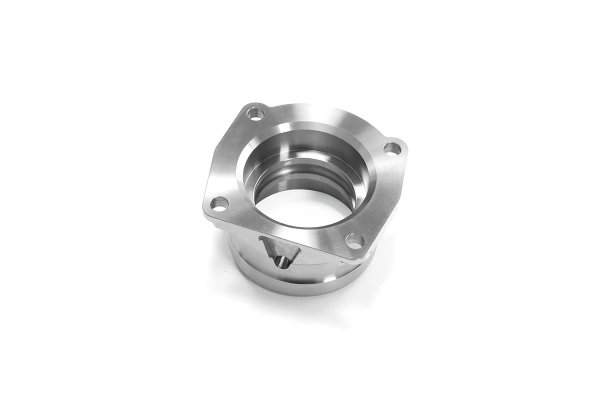
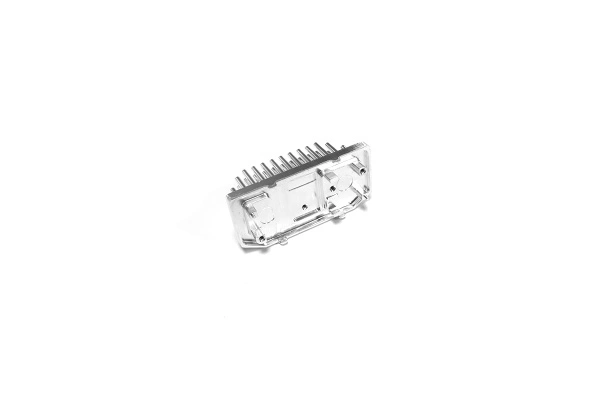
Selecting the right manufacturer for precision hot die forging parts requires evaluating technical capability, quality systems, and production capacity. Key factors include the supplier's experience with your specific material type, their tolerance capabilities, and their ability to handle both prototyping and mass production efficiently.
Look for suppliers who offer comprehensive DFM analysis before production begins. Early engineering input can identify potential design issues, suggest material optimizations, and recommend process improvements that reduce costs while maintaining performance. A supplier with strong R&D support helps accelerate your time-to-market by resolving technical challenges during the design phase rather than after tooling is complete.
Consider the supplier's flexibility in handling low MOQ requirements alongside large-scale production needs. Many buyers benefit from partners who can support initial market testing with smaller quantities before scaling to full production runs, providing greater supply chain agility and reduced inventory risk.
Use this checklist to evaluate potential suppliers and ensure you select a partner capable of delivering reliable, high-quality hot die forged parts that meet your application requirements.
Supplier works with aluminum, stainless steel, titanium, brass, and engineering plastics
Can provide material certificates and chemical composition reports
ISO 9001 certification and documented quality management procedures
CE, RoHS, and EU compliance documentation available for regulated markets
Stable monthly output capacity of 30,000-40,000 pieces for consistent supply
Flexible MOQ starting from 1 piece for prototyping and small batch orders
OEM/ODM customization services including material replacement and size adjustment
Dedicated engineering team with undergraduate degrees for technical consultation
Bulk order delivery time of 7-25 days depending on project complexity
Fast sampling cycle for rapid prototyping and design validation
Free remanufacturing for production-caused defects with clear warranty terms
Comprehensive after-sales support and responsive communication channels
Procuring hot die forged components comes with unique challenges that can impact your production timeline, cost targets, and product reliability. Understanding these common issues upfront allows you to ask the right questions and establish clearer expectations with your supplier.
Die wear and thermal expansion during hot forging can cause slight variations in part dimensions between batches. Mitigation: Require suppliers to use CMM measurement systems and implement statistical process control. Ask for first-article inspection reports and in-process monitoring data to verify consistency before approving full production runs.
Improper lubrication, incorrect forging temperature, or worn dies can result in surface laps, folds, or incomplete filling. Mitigation: Request detailed process parameters from your supplier, including temperature ranges and lubrication methods. Suppliers with integrated surface treatment capabilities can address minor defects through post-forging finishing processes.
Custom die fabrication and prototype development often create bottlenecks in the procurement timeline. Mitigation: Choose suppliers with rapid prototyping capabilities and experienced engineering teams who can provide DFM feedback early. Suppliers offering fast sampling cycles reduce overall project lead times and enable faster design iteration.
Many buyers overlook certification requirements until late in the sourcing process, causing delays. Mitigation: Verify that your supplier holds relevant certifications such as ISO 9001, CE, and RoHS before placing orders. Certified suppliers streamline your compliance workflow and reduce the administrative burden of supplier audits and document collection.
Language barriers and time zone differences can lead to misunderstandings about specifications, leading to rejected shipments. Mitigation: Work with suppliers who have established communication protocols and dedicated account management. Clear written specifications, annotated drawings, and approved sample sign-offs prevent costly errors and ensure alignment throughout the production process.
When comparing potential suppliers for hot die forging components, consider these key evaluation criteria that directly impact your procurement success and long-term supply chain stability.
Suppliers with established production facilities and documented output capacity provide greater supply security. Look for companies with multiple CNC lathes, five-axis machining centers, and automated quality inspection systems that support consistent volume production.
A supplier with 30+ lathes and monthly output of 30,000-40,000 pieces demonstrates the infrastructure needed to handle both prototype orders and large-scale production runs without compromising quality or delivery schedules.
Strong engineering support distinguishes commodity suppliers from strategic partners. Evaluate the supplier's R&D team qualifications, their experience with DFM analysis, and their ability to provide technical recommendations that optimize your designs for manufacturability.
Suppliers with dedicated engineering teams holding advanced degrees can identify potential issues early, suggest material substitutions, and recommend process improvements that lower your total cost of ownership while maintaining performance requirements.
Suppliers with proven export experience understand international quality expectations, documentation requirements, and logistics coordination. Their track record across multiple regions indicates adaptability and cultural competence in managing cross-border transactions.
Look for suppliers with 5+ years of export history serving diverse markets including North America, Europe, and emerging economies. This global exposure typically correlates with stronger quality systems, better communication practices, and more reliable delivery performance.
The best suppliers accommodate varying order sizes and provide tailored solutions rather than one-size-fits-all approaches. Low MOQ capabilities allow buyers to test new designs and validate markets without committing to large inventory investments.
Suppliers offering MOQ as low as 1 piece demonstrate confidence in their production systems and willingness to support buyers at every stage of their product lifecycle, from initial prototyping through full-scale commercial production.
Get answers to common questions from procurement professionals sourcing hot die forged components for industrial applications.
Hot die forging supports a wide range of materials including aluminum alloys, stainless steel, titanium, brass, copper, and various engineering plastics. The optimal material depends on your application's strength requirements, corrosion resistance needs, weight constraints, and budget considerations. Our team provides material selection guidance based on your specific performance requirements.
Lead times vary based on order quantity and complexity. Bulk orders typically require 7-25 days for production, while custom tooling may add additional time for the initial setup. Fast sampling cycles are available for prototype development, enabling rapid design validation before committing to full production runs.
Yes. Many suppliers accept minimum order quantities as low as 1 piece, making it feasible to prototype new designs and validate market demand before scaling to larger production volumes. This flexibility reduces upfront investment risk and allows iterative design improvements based on real-world testing results.
Key certifications include ISO 9001 for quality management systems, CE marking for European market compliance, RoHS for restricted substance control, and EU-specific inspection reports for regulated products. These certifications demonstrate the supplier's commitment to standardized processes and regulatory compliance, simplifying your supplier qualification workflow.
Hot die forging produces parts with superior grain structure, higher strength-to-weight ratios, and better fatigue resistance compared to casting or CNC machining. While initial tooling costs are higher, per-unit costs decrease significantly at volume. The process is ideal for high-stress applications where reliability and longevity are critical priorities.
Reputable suppliers offer free remanufacturing for defects caused by production errors. Clear warranty terms and responsive customer service ensure that quality issues are resolved promptly without disrupting your production schedule. Establishing quality acceptance criteria and inspection procedures before production begins helps prevent disputes and ensures smooth resolution if issues arise.
CONTACT US


Privacy statement: Your privacy is very important to Us. Our company promises not to disclose your personal information to any external company with out your explicit permission.
Fill in more information so that we can get in touch with you faster
Privacy statement: Your privacy is very important to Us. Our company promises not to disclose your personal information to any external company with out your explicit permission.